

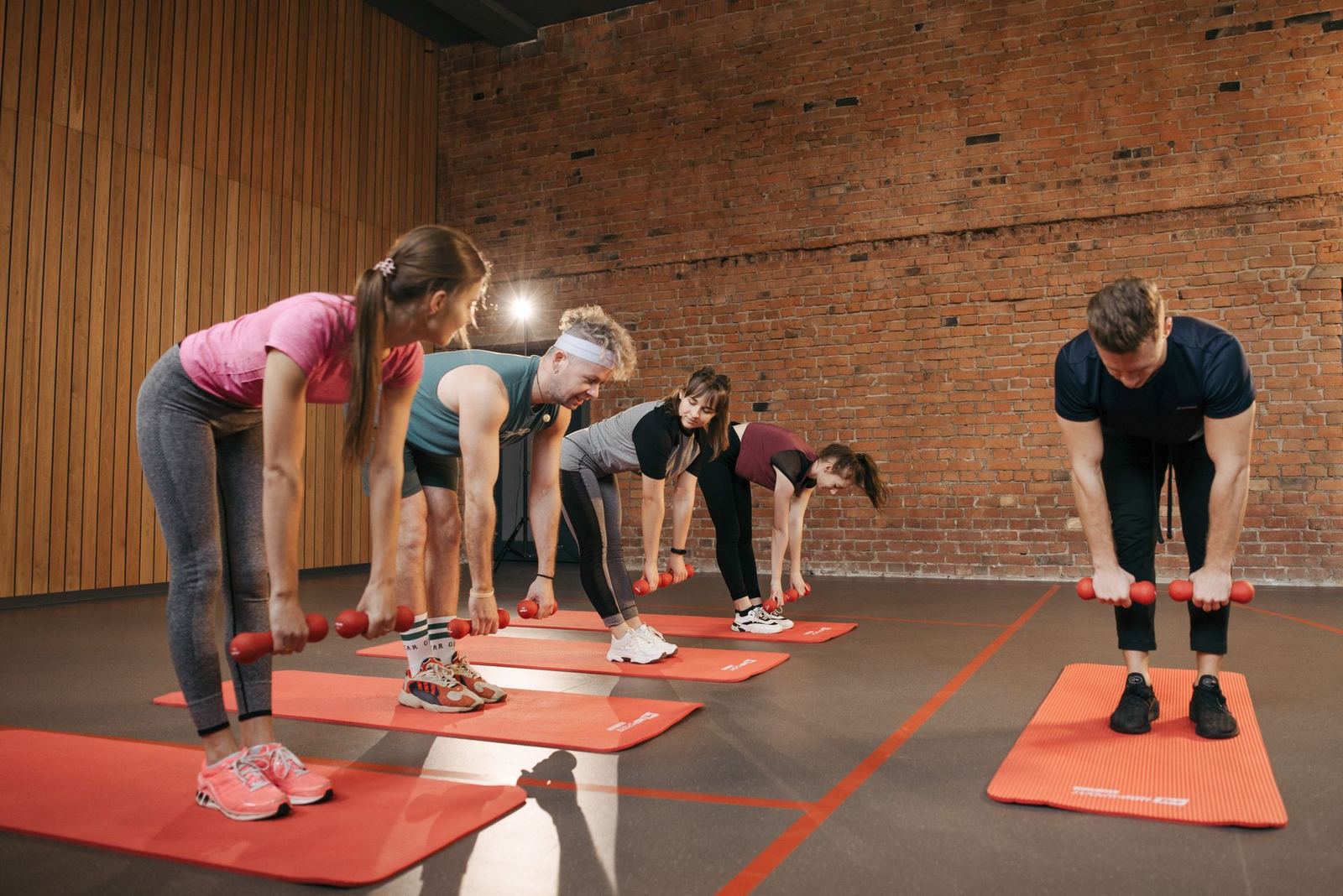

Calorie burn, advantages and an ideal weekly combination: a realistic comparison of the two types of cardio.
The question everyone who wants to lose weight asks: "Which burns more fat, high-intensity interval training (HIIT) or steady-state cardio?" The answer may be "whichever you can sustain," but they each have different advantages.
Calorie burn
A 45-minute moderate run (10 km/h) uses about 550 kcal in a 75 kg person. A 30-minute HIIT session uses about 300–400 kcal, but keeps metabolism slightly raised for a while after training (the EPOC effect). That effect is not as large as believed; it is usually an extra 30–60 kcal. So there is a time saving in total calories but no miracle.
Advantages of HIIT
- Cardiovascular adaptation in less time (20–30 minutes)
- A tendency to preserve muscle tissue
- Variety and motivation; less boredom
Advantages of steady-state cardio
- Lower risk of injury and overload
- Development of an aerobic base and endurance
- Active recovery; easily added next to strength training
A suggested combination
A sample weekly plan: 2 days of weight training, 1 day of HIIT (20–25 min), 1–2 days of steady cardio (30–45 min) and one day of active rest. Do not do HIIT on two consecutive days; recovery should take at least 48 hours.
The real determinant of fat loss
Whichever cardio you choose, the main determinant of fat loss is long-term calorie balance. Burning 500 kcal in training and eating an extra 700 kcal in the evening wipes out the gain. Strength training gives a better look while losing weight by preserving muscle mass.
How to estimate calories
The Calorie Burn Calculator on our site shows your estimated expenditure based on MET values. Use the value as an approximate guide rather than an exact number; heart rate monitors and body analysis provide more personalised data.
In cardiovascular disease, hypertension or pregnancy, consult your doctor before starting HIIT.
A HIIT example for beginners
5 minutes of warm-up; then 8 rounds of 30 seconds fast / 60 seconds slow; 5 minutes of cool-down. Total 25 minutes. While working at 80–90 percent of your maximum heart rate it is normal to struggle to talk. Keep the number of rounds low in the first weeks and do not let movement quality slip. If you have joint problems, prefer low-impact equipment such as a bike or rowing ergometer.
Related Posts

7 Common Gym Mistakes
From skipping the warm-up to training without a programme: seven mistakes that slow progress, and their fixes.
Read More